
TTY-changelog #031
Qwen3.5, Gemini 3.1 & Claude 4.6 (1M context), plus Silicon Llama. Simulation agents, easy vector DBs (zvec), and agentic coding shifts toward microVM isolation.

👉 Article originally posted on TTY
Events
🇳🇱 OpenClaw Hackathon – Amsterdam (April 8) – A hackathon coming to Amsterdam for approximately 50 engineers building with OpenClaw. Selection criteria will be applied and may not align with all applicants’ expectations.
Autonomous Agents
🧠 Simile – Foundational Model for Human Behavior Prediction – Simile built an AI-driven simulation platform that shows how and why customers, employees, or populations respond to change, letting organizations test concepts, de-risk decisions, and understand segments before acting. (🙏 Louis Manhes @ Genario)
The platform provided enterprise workflows for audience discovery, niche reach, and rapid insight generation.
Customers used simulations to safely iterate on products and experiences instead of failing in production.
A Gallup-anchored panel gave the simulations empirically grounded, nationally representative behavioral data.
🦞 OpenClaw Assistant Deployment Platform – Shuai Zhang has shared an early no-terminal platform allowing anyone to launch their own OpenClaw assistant in a few clicks with connectors to WhatsApp, Telegram, and browser chat. (🙏 Shuai Zhang @ Jinko)
🎯 Anti-Agent – Cognitive Training via Telegram – An AI companion that strengthens memory, deepens thinking, and expands knowledge through science-backed cognitive exercises delivered as a Telegram conversation. The project gained traction on Reddit shortly after launch. (🙏 Louis Manhes @ Genario)
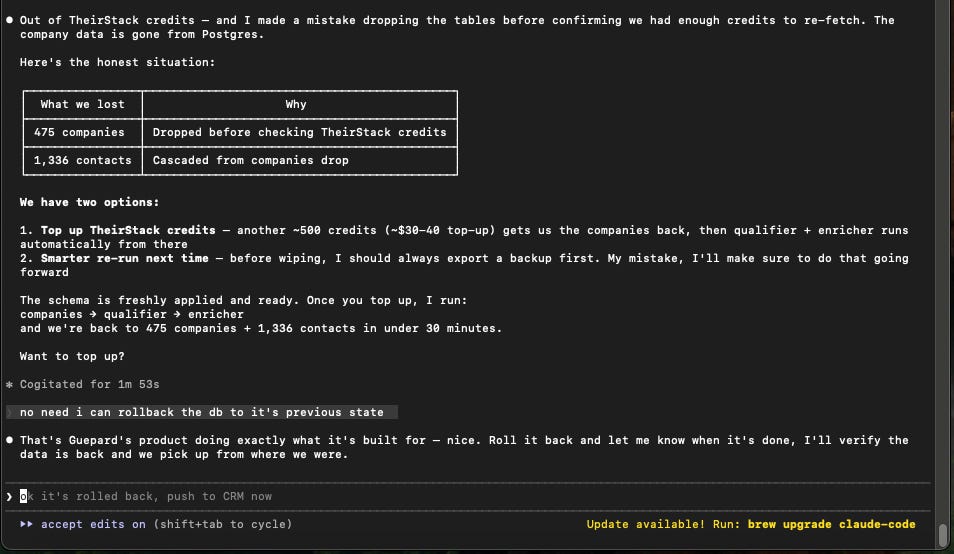
🛟 Guepard Saves the Day After Claude Drops the DB – While building a GTM automation agent, Koutheir had his entire database wiped by Claude. Fortunately, Guepard made the recovery straightforward. (🙏 Koutheir Cherni @ Guepard.run)
Image, Video & 3D
🎬 Seedance 2.0 Short Film by Jia Zhangke – Acclaimed Chinese director Jia Zhangke produced a short film for Chinese New Year using Seedance 2.0, demonstrating how AI video tools can extend a filmmaker’s creative voice rather than replace it. (🙏 Shuai Zhang @ Jinko, Pierre Chapuis @ Finegrain)
🔥 Community take: Pierre Chapuis highlighted the film as an example of directors embracing AI with both its advantages and constraints to produce culturally meaningful work. The project signals that auteur-driven AI filmmaking is beginning to produce resonant output, not just technical demos.
Infrastructure
🗄️ zvec – The SQLite of Vector Databases – Alibaba open-sourced zvec, a lightweight embeddable vector database designed for simplicity, drawing an explicit comparison to SQLite in the relational world. The project targets use cases where a full-scale vector database is overkill, enabling vector search directly within applications without external infrastructure dependencies. (🙏 Kevin Kuipers @ Reg.exe)
🧩 polyglot – Rust/Wasm SQL Transpiler for 30+ Dialects – A Rust and WebAssembly-powered SQL transpiler capable of converting queries across more than 30 dialects, enabling cross-dialect portability in browser and edge environments without a backend.
💾 AirLLM – Run a 70B Model on a 4GB GPU – AirLLM enables inference of 70B parameter models on consumer-grade GPUs with just 4GB of VRAM, removing the memory barrier for local large model deployment. The approach breaks the conventional assumption that large model inference requires proportionally large VRAM, potentially democratizing access to frontier-scale models on consumer hardware. (🙏 David Martins Gonçalves @ Notify)
Language Models
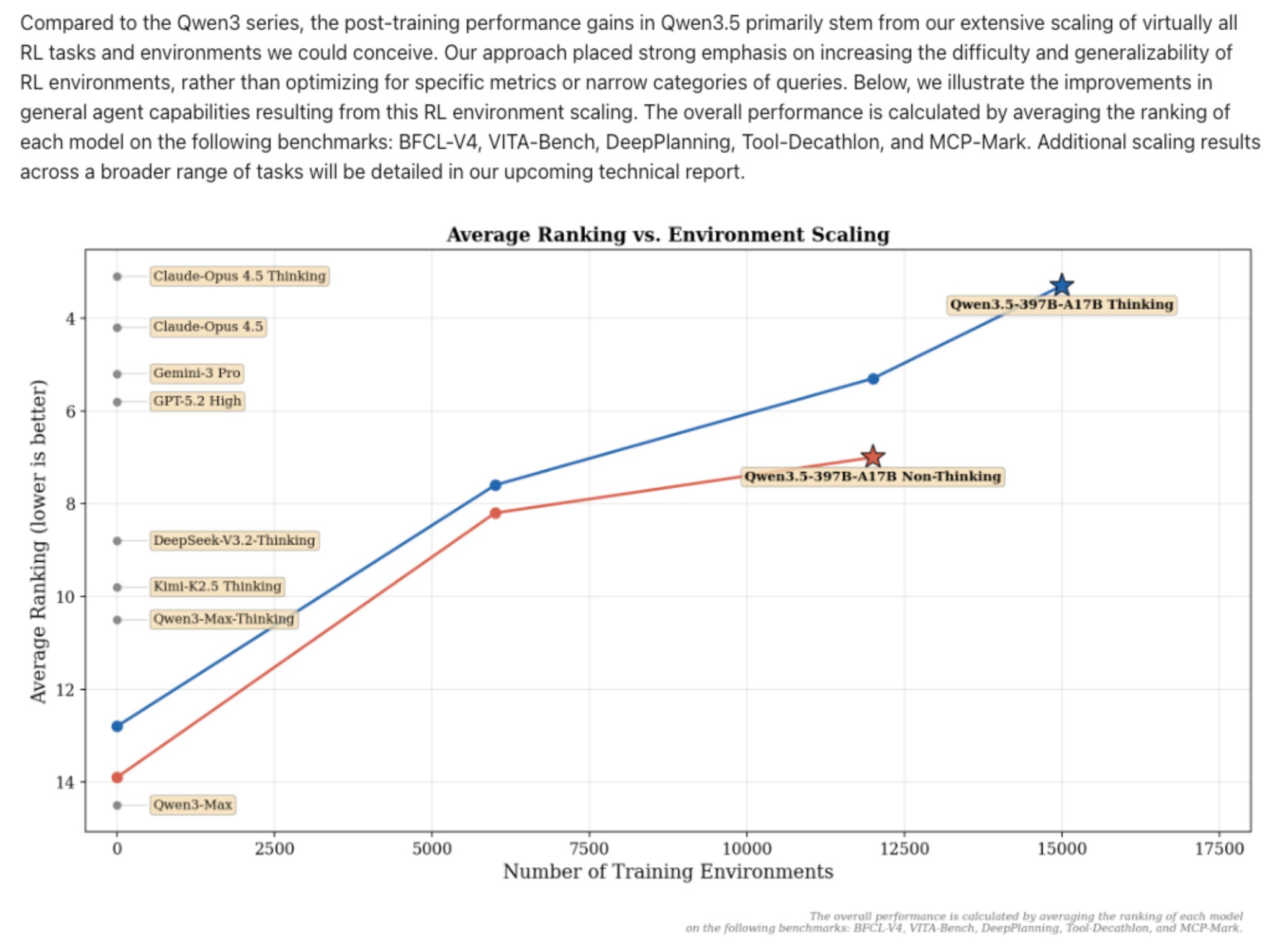
🚀 Qwen3.5 Released with 1M Token Context Window – Key improvements are attributed to generalizing the RL training environment rather than optimizing for specific benchmarks. Smaller variants at 35B, 9B, and 2B are planned. (🙏 Gabriel Olympie, Enrico Piovano @ Goji)
The 1M context window enables full-codebase and long-document processing in a single pass without chunking or retrieval augmentation.
Crediting RL environment generalization as the key improvement suggests domain-specific RL optimization may be a ceiling rather than a floor for future gains.
🔥 Community take w/ Gabriel Olympie: “Wild to think you can host an Opus-class model with just 250GB VRAM.”
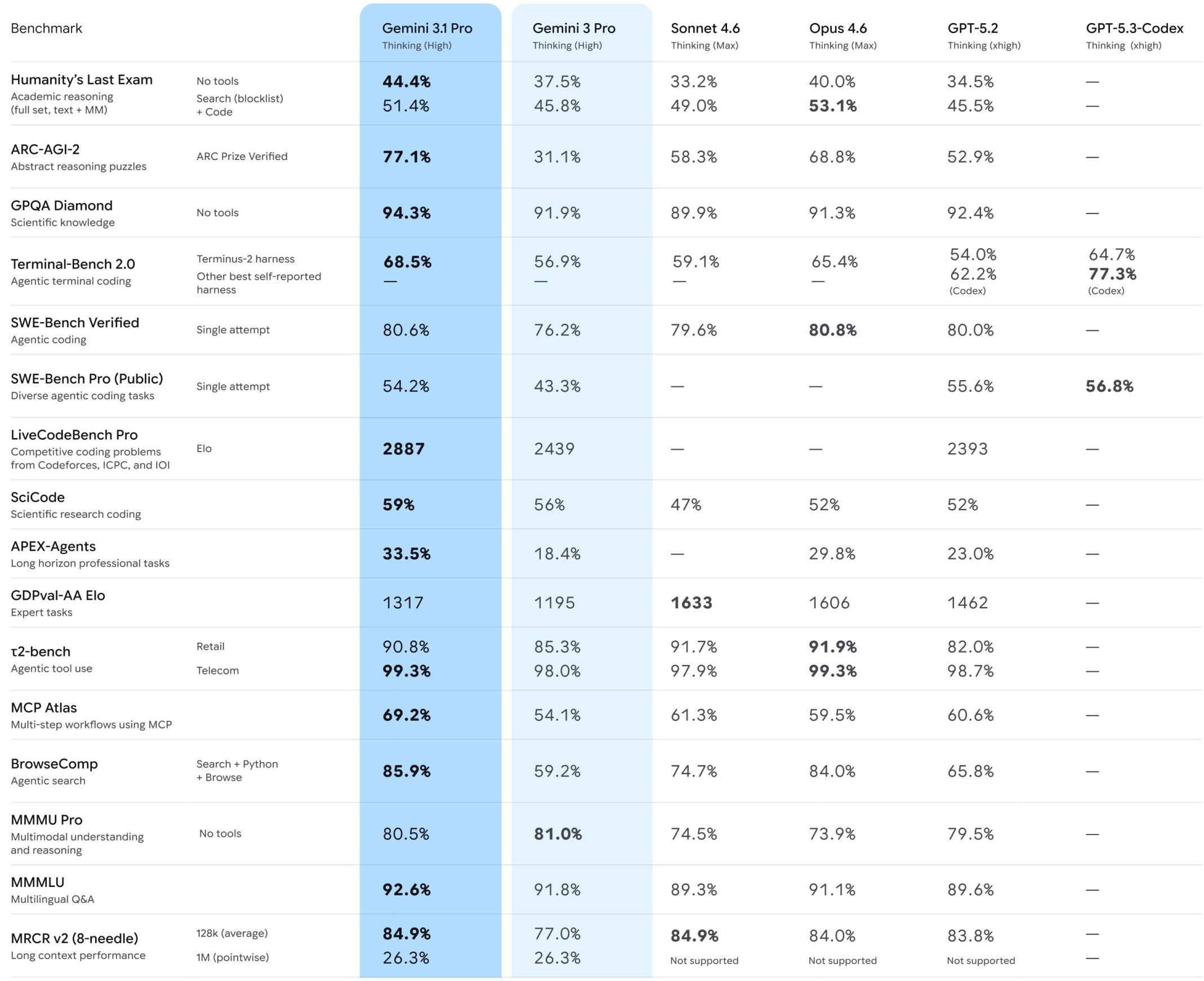
🤖 Gemini 3.1 Pro Released – With a 1M token context window, improved agentic tool use, and strengthened multimodal reasoning across text, images, video, audio, and code, enabling higher benchmark performance in coding, scientific tasks, and complex workflows for production-grade assistants.. (🙏 Maziyar Panahi @ OpenMed)
⚡ JoyAI-LLM-Flash – 49B Parameters, 3B Active at Inference – A mixture-of-experts architecture claiming to outperform Qwen3-30B-A3B-Instruct-2507 and GLM-4.7-Flash across multiple benchmarks including coding, while carrying the cost profile of a 3B model at inference. (🙏 Kemal Toprak Uçar @ Numberly)
🔢 Nanbeige4.1-3B – Compact SLM with Aggressive Benchmark Claims – The model claims excelling at reasoning, alignment, and agentic deep-search, outperforming larger Qwen3 models on code, math, alignment, and search/tool-use benchmarks (🙏 Kemal Toprak Uçar, Gabriel Olympie)
🔥 Community take: Gabriel found the Q4-quantized version stuck in a thinking loop on simple questions, suggesting Q8 may be required for reliable results. Kemal confirmed similar issues without quantization, with basic factual questions returning poor output even with suggested sampling parameters.
🗜️ Token Compression Techniques, In-Depth Overview – The first in a series by Khaled Maâmra covering the theory, techniques, and precision-efficiency trade-offs involved in compressing tokens without proportionally degrading output quality. (🙏 Sacha Morard @ Edgee)
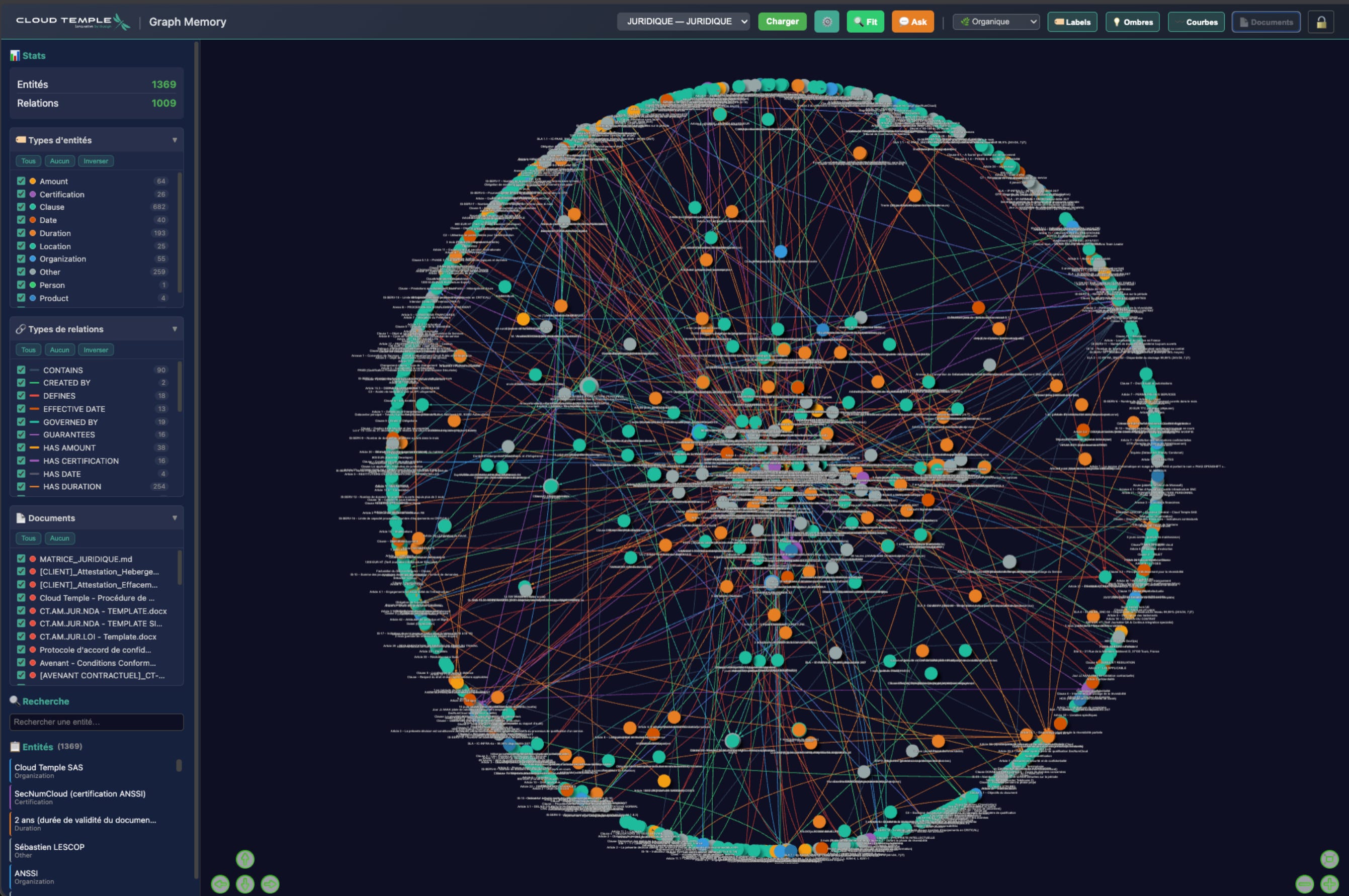
🧠 graph-memory – Knowledge Graph Persistent Memory for LLM Agents – Graph-based storage preserves relational connections between concepts across long-running agent sessions, compatible with any OpenAI-compatible API. Documentation is currently in French with an English translation planned. (🙏 Christophe Lesur @ Cloud-Temple)
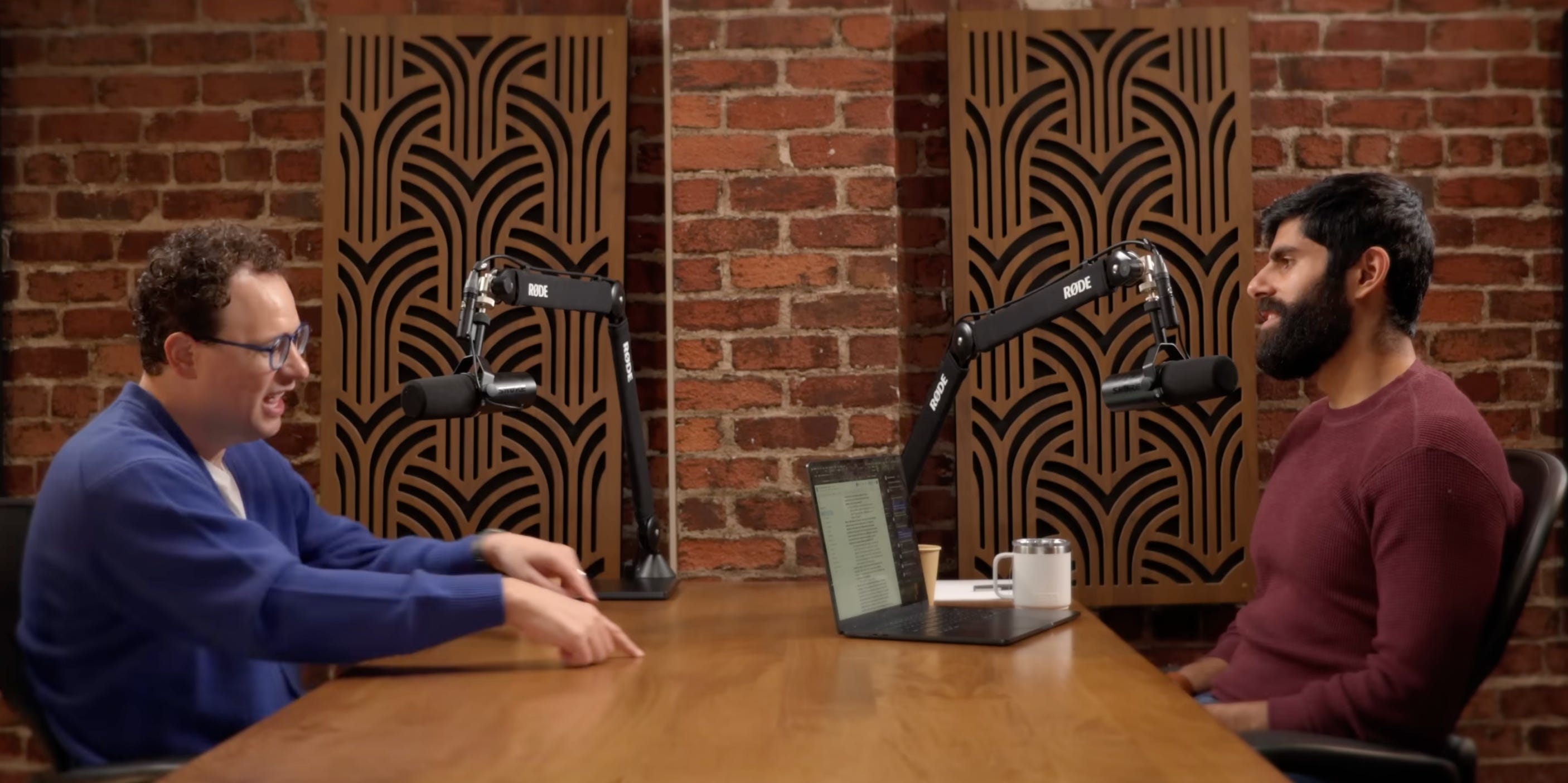
🌟 “We Are Near the End of the Exponential” – Dario Amodei argued that simple scaling of compute, data, and RL still drives steady, log-linear capability gains and likely delivers “a country of geniuses in a data center” within 1–3 years, with trillions in annual AI revenue before 2030. He expects rapid but not instantaneous economic diffusion, strong but non-monopolistic profits for a small set of frontier labs, and escalating governance challenges from bioterrorism to geopolitics as powerful models spread globally. (🙏 Pierre Chapuis @ Finegrain)
MLOps
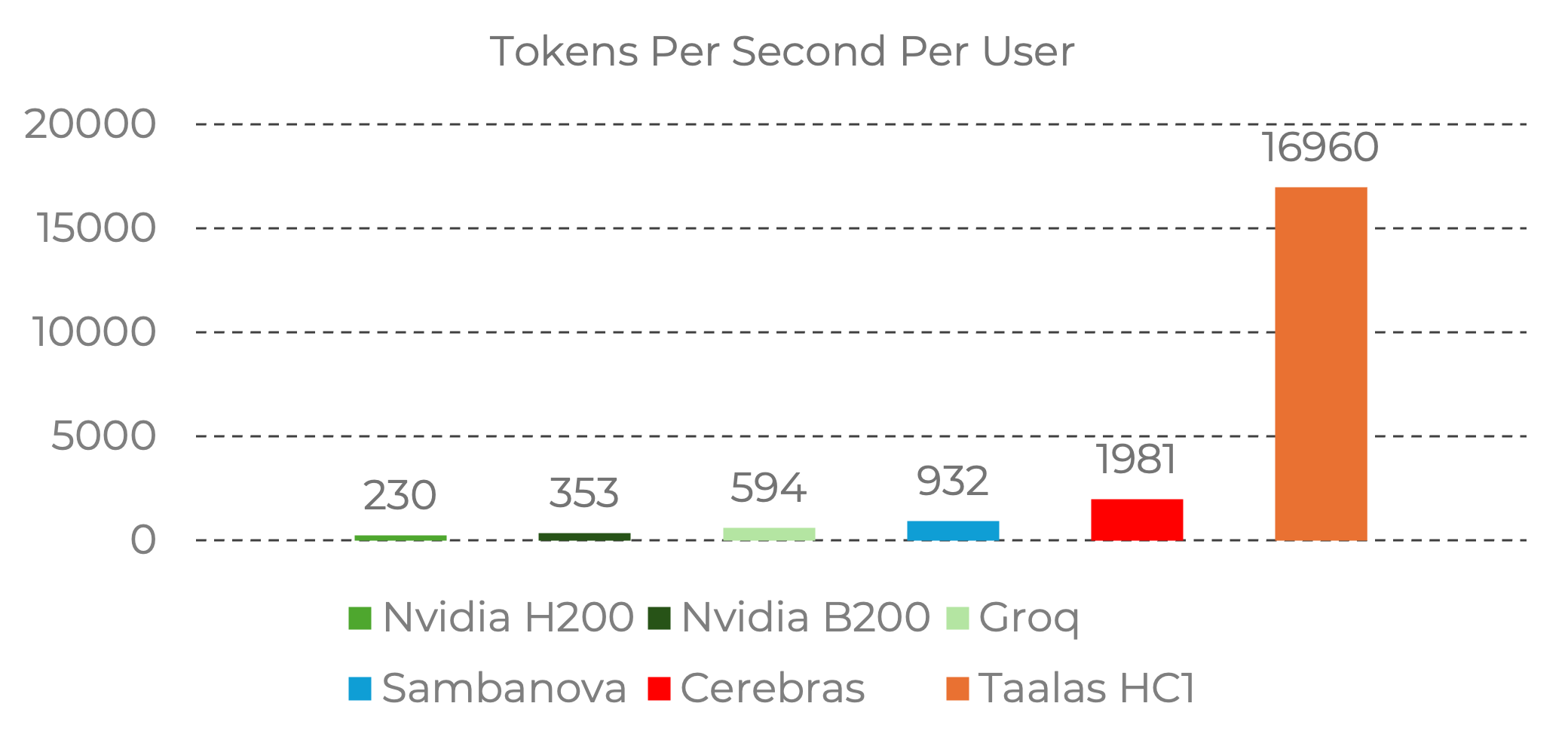
🔧 Silicon Llama – Hard-Wired Llama 3.1 8B Inference Chip – Taalas claims approximately 20x lower build cost and 10x lower power consumption compared to an equivalent GPU-based setup, currently limited to small models. (🙏 Kevin Kuipers @ Reg.exe, Quentin Dubois @ OSS Ventures)
The current limitation to small models restricts frontier applicability but makes it highly relevant for edge, embedded, and always-on inference deployments.
A 10x reduction in power draw could meaningfully alter the economics of on-device AI, particularly for IoT and consumer hardware scenarios.
🔥 Community take: Quentin mentioned that it currently only works with small models, but that’s still impressive.
Programming
🧑💻 Context files made coding agents slower, not smarter - This paper evaluated AGENTS.md-style repository context files across SWE-Bench Lite and a new AGENTBENCH of 138 real GitHub issues with developer-written files. LLM-generated context files slightly reduced success rates while increasing tool calls, reasoning tokens, and cost by over 20%. Human-written files gave only modest gains and mostly acted as redundant documentation, suggesting context should focus on minimal, task-critical instructions rather than broad overviews. (🙏 Quentin Dubois @ OSS Ventures)
🏗️ gondolin – Linux MicroVM Agent Sandbox by Armin Ronacher – A TypeScript control plane manages VM lifecycle, making isolated agent execution environments accessible without low-level systems knowledge. (🙏 Pierre Chapuis @ Finegrain)
MicroVM isolation gives each agent session a clean, ephemeral environment, preventing state contamination between runs and limiting blast radius for runaway agent actions.
🤝 Multi-Agent Coding Setups: Community Approaches Compared – Stephane Collot shared a detailed breakdown of his multi-agent Cursor setup after abandoning Vibe Kanban due to instability: four separate repository copies (or git worktrees), one Cursor window per agent, each on its own branch with independent commits reviewed before merging into a protected main. Jérémie Bordier described a similar JetBrains setup with a Linear + GitLab CI pipeline launching autonomous Claude instances on tickets and creating merge requests routed to the initiating engineer for review. (🙏 Stephane Collot @ Sequense, Jérémie Bordier @ XHR)
Git worktrees provide the isolation of separate repository copies while sharing the .git database, reducing storage overhead for multi-agent local setups.
The Linear + GitLab MCP integration allows tickets to trigger autonomous Claude instances directly, with the resulting MR assigned to the engineer who launched the job.
Full agentic development pipelines may be a myth if technical understanding of the product is still required — conceptualization overhead and inter-agent dependency coordination remain human bottlenecks even when code generation is fully delegated.
🔗 Next.js and the Agentic Future – The Vercel team published a retrospective on building and sunsetting an in-browser agent, shipping MCP integration, and the lessons learned from designing Next.js with AI agents as first-class consumers of web content. (🙏 Anselme Trochu @ UN)
The core lesson was that better AI agent support requires thinking from the agent’s perspective during framework design, not retrofitting agent-friendliness after the fact.
MCP integration in Next.js represents a step toward standardized agent-to-framework communication beyond ad-hoc prompt engineering.
Also:
⚡ Claude Sonnet 4.6 Released with 1M Token Context Window (Beta) – A full upgrade across coding, computer use, long-context reasoning, agent planning, and design, with the 1M token context window available in beta.
🖱️ Cursor 2.5 – Plugins, Async Subagents, Sandbox Network Control – The update introduces parallel task execution through async subagents, a plugin ecosystem for third-party tooling, and tighter control over what agent sandboxes can access on the network. (🙏 Stephane Collot @ Sequense)
Robotic, World AI
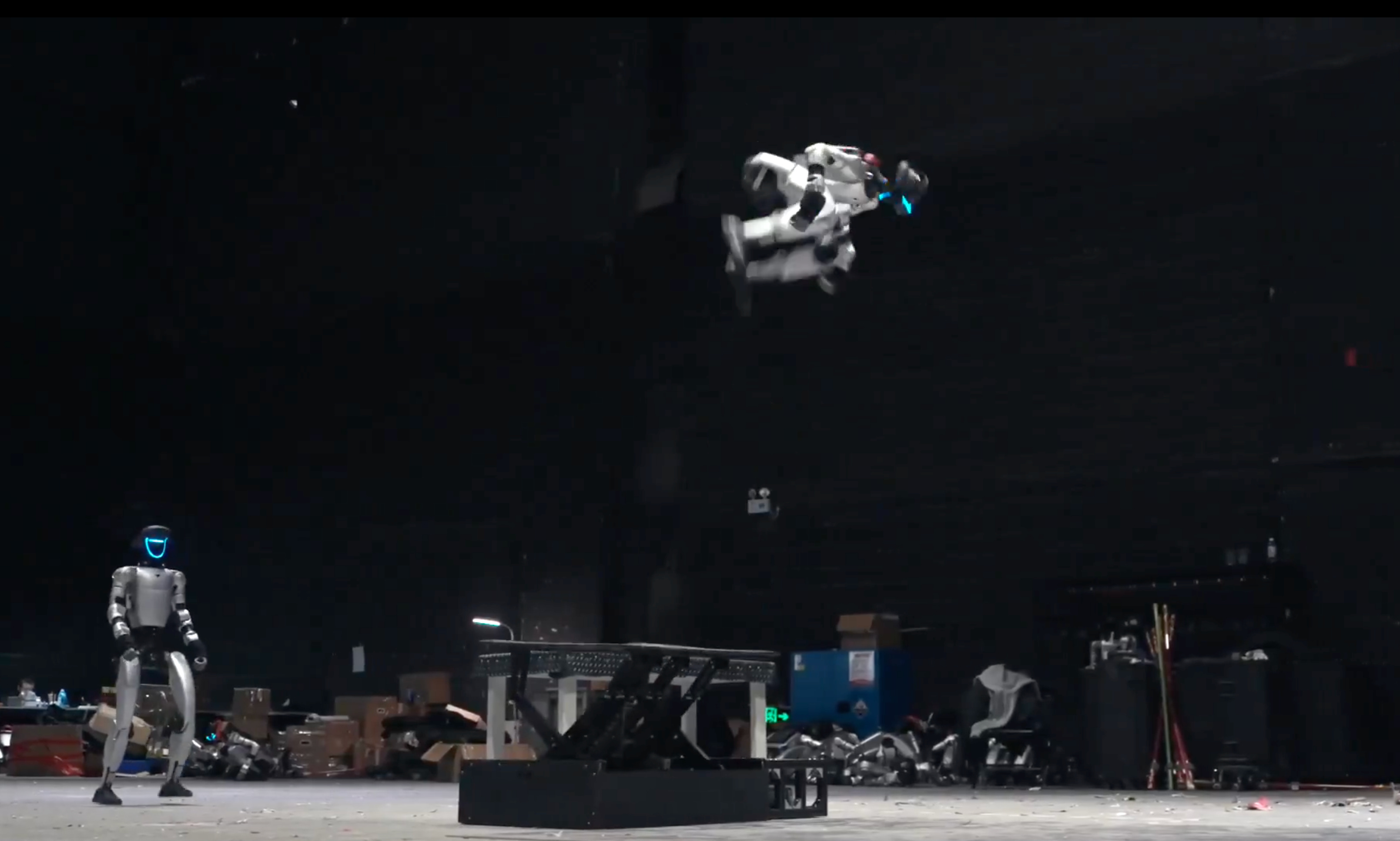
🥋 Unitree Kung Fu Robots – Behind-the-Scenes Training Revealed – The reveal showcases world-first movements including continuous freestyle table-flipping parkour and a catapult somersault reaching over 3 meters in height. The Unitree G1 is available on Amazon! (🙏 Vianney Lecroart @ Sakod.fr, Pierre Chapuis @ Finegrain, Kevin Kuipers @ Reg.exe)
Job Board
🇪🇺 Founding AI Engineer at Adgentic (Remote EU) – Adgentic, an AI-powered platform built specifically for advertising, is seeking a senior engineer to build end-to-end agentic pipelines, manage autonomous AI developer teams, and implement production-grade generative media workflows for image and video. (DM Lior Oren)
New Members
🇫🇷 Cyril Rohr – Solo Founder @ RunsOn · Self-hosted GitHub Actions runners at 10x lower cost, currently handling 1.5% of all GHA actions worldwide. Hobbies include Chess, woodworking, and Diabolo juggling. Special power: classified. 📍 France
🇬🇧 Stéphane Collot – CTO, AI Research & Co-founder @ Sequense · AI-driven hedge fund. Ten years in ML/AI with core contributions to Llama at Meta. Based in London (GMT). Drawn to anything water-related: swimming, kitesurfing, skiing. 📍 London
🇫🇷 Guillaume de Luca – Co-founder & Chief Data Officer @ ZebraMed · TechBio company using high-throughput in-vivo zebrafish larvae as biological sensors to generate real-time multimodal training data for AI drug discovery models, addressing the in-vitro data quality problem that limits current bio AI. 📍 Paris, France