
Your Dose of Reg.exe, Week {20}
Google releases Gemini 3.0 with agentic coding; Meta SAM3 enables 3D object segmentation; AI2 launches OLMo 3 first open reasoning model; Google SIMA 2 advances embodied AI agents.

Ad 👉 Opsima helps companies reduce their AWS bill by giving them access to the best long-term commitment rates (such as Savings Plans) without locking them into long-term commitments themselves. Opsima takes over the commitments our clients no longer need!
👉 Talk to the Founders
Events
🇫🇷 ai-PULSE Conference in Paris, December 4 - AI conference focused on propelling AI innovation and strategic autonomy within the EU. Features speakers including Xavier Niel, Michael Dell, Patrick Perez, Renée James, and also Reg.exe members: Steeve Morin (ZML), Sophie Monnier (InstaDeep), Guillaume Calmette (Scaleway), Alexandre Pasquiou (Neuralk-AI). (🙏 Antoine Millet @ Scaleway)
Audio and Speech
🗣️ ElevenLabs Scribe v2 Realtime launched - Following discussions about Speech-to-text models last week, Raoul Ritter mentioned ElevenLabs last update advertised as “the most accurate low-latency Speech to Text model, delivering live transcription in under 150ms” quite impressive (🙏 Raoul Ritter)
Autonomous Agents
🙌 OpenHands platform - An open-source, model-agnostic platform for cloud coding agents that automates real engineering work securely and transparently.
👉 Community take: Robert Hommes (Moyai) gave us a mildly positive feedback: “Looks interesting, especially the strong integrations with GitHub, Slack, and ticketing systems. The built-in sandboxing seems particularly valuable. I tried to develop an agent with Claude skills and e2b sandboxes, but it’s hard to figure out what the agent is actually screwing up inside it.”
🫰Manus Cloud Browser - Community members shared extremely positive experiences with Manus, including successfully completing German tax reports and generating presentation slides. (🙏 Enrico Piovano, Yusuf Eren, Arnaud Porterie)
Biotech, Health, and Chemistry
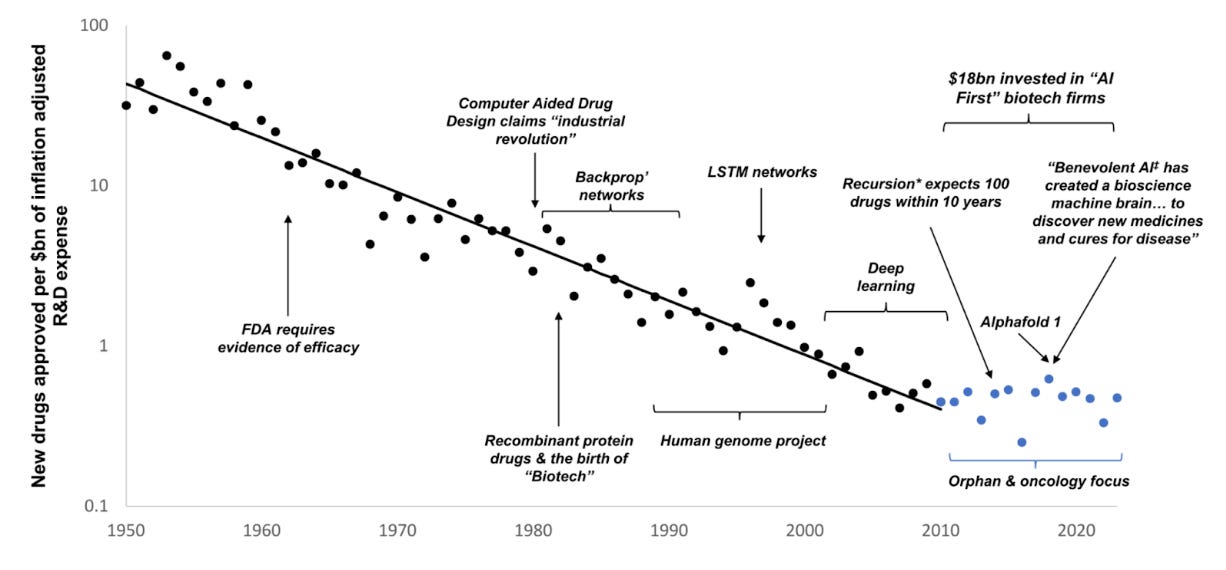
💊 AI drug discovery critique published - Article says progress in drug discovery demands not just better models, but also regulatory reform and better ways to gather human-centric, causal biomedical data. Only then can AI reach its transformative potential in the field.
👉 Community take: While Felix Raimundo (Tychobio.ai) likes here observations, he strongly disagrees with the “solve it by mass-testing” approach. He believes the priority should be improving drug candidate quality, not just making failures cheaper and more frequent.
🦠 Genentech updated therapeutic antibody design research - This paper introduces an automated system that uses AI to design and improve antibodies by quickly generating, predicting, and testing new versions in the lab. This approach led to much better-performing antibodies, showing that blending machine learning with real-world experiments can greatly speed up and enhance antibody development. (🙏 Sophie Monnier)
Combines generative ML models and active learning with lab experiments for antibody design.
Tested over 1,800 antibody variants across four optimization rounds using real antigens (EGFR, IL-6, HER2, and OSM).
Identified antibody variants with 3–100× better binding for most targets; top variants exceeded 100 pM affinity.
Demonstrates practical, end-to-end machine learning for optimizing therapeutic antibody development..
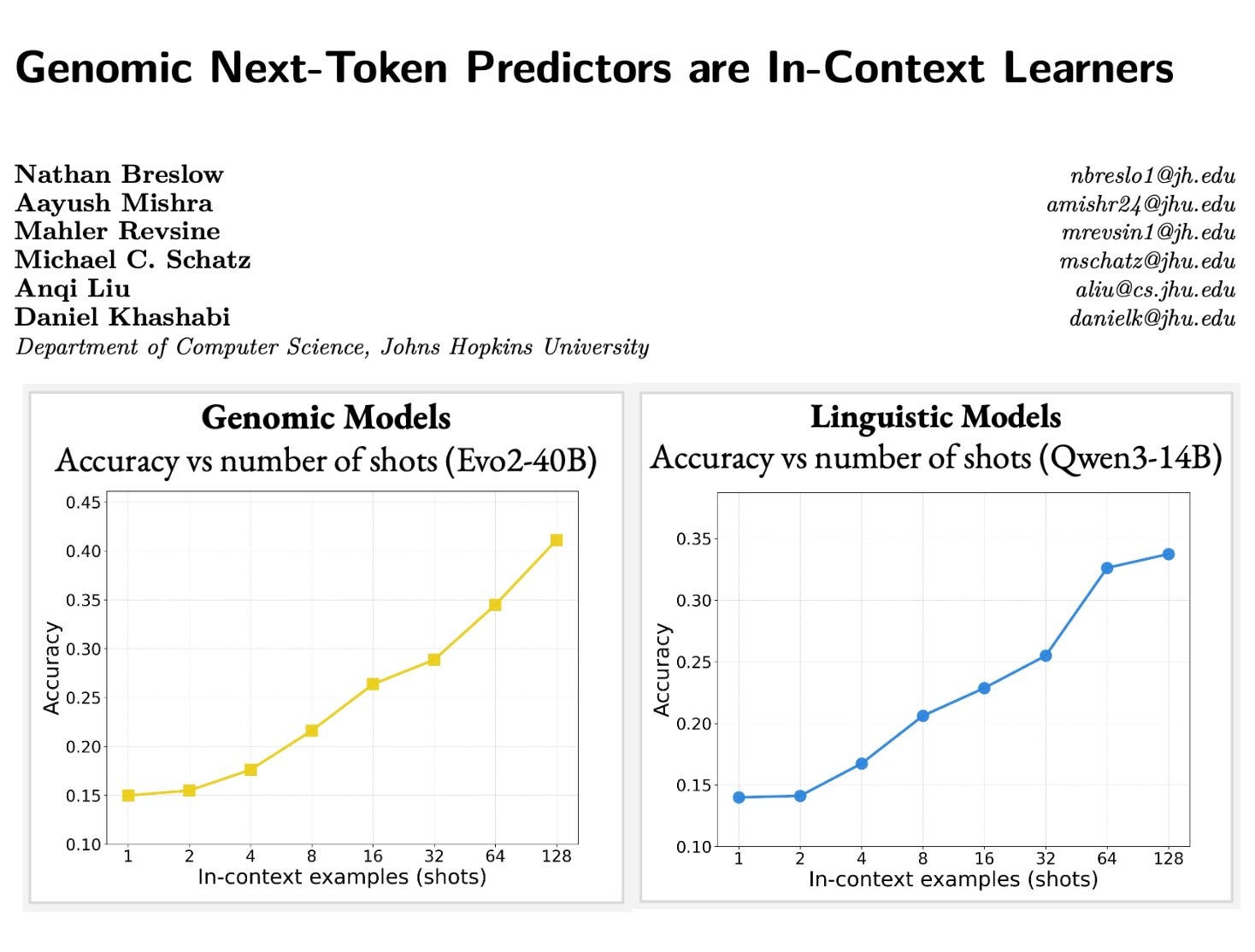
🧬 Genomic models demonstrated emergent capabilities - Research showed that models trained only on DNA sequences develop in-context learning abilities similar to language models, suggesting emergent behavior isn’t limited to human language. (🙏 Leonard Strouk @ .Omics)
Genomic next-token models can perform in-context learning, similar to language models.
Pattern induction improves log-linearly with more in-context demonstrations.
This is the first evidence of emergent ICL in genomic sequence modeling.
In-context learning arises from large-scale predictive training, regardless of domain.
🩻 Voio entered AI radiology field - New player in the crowded AI radiology market attempting to differentiate through innovative approaches to medical imaging analysis. (🙏 Felix Raimundo)
Computer Vision
👁️ Meta SAM3 released with 3D capabilities - Meta has impressed the community with their open-source Segment Anything Model 3, which includes stunning 3D version capabilities for object segmentation. The repository provides code for running inference and fine-tuning with the model. 🛠️ GitHub repository (🙏 Gabriel Olympie, Hugo Serrat)
SAM 3D reconstructs accurate 3D objects and humans from any 2D image.
It supports detailed object geometry and realistic human pose estimation.
Multiple objects and people can be positioned together in the same scene.
Models work with real-world, occluded, and partially visible images.
SAM 3D Body uses a transformer for mesh recovery; SAM 3D Objects use a two-stage DiT pipeline.

Language Models
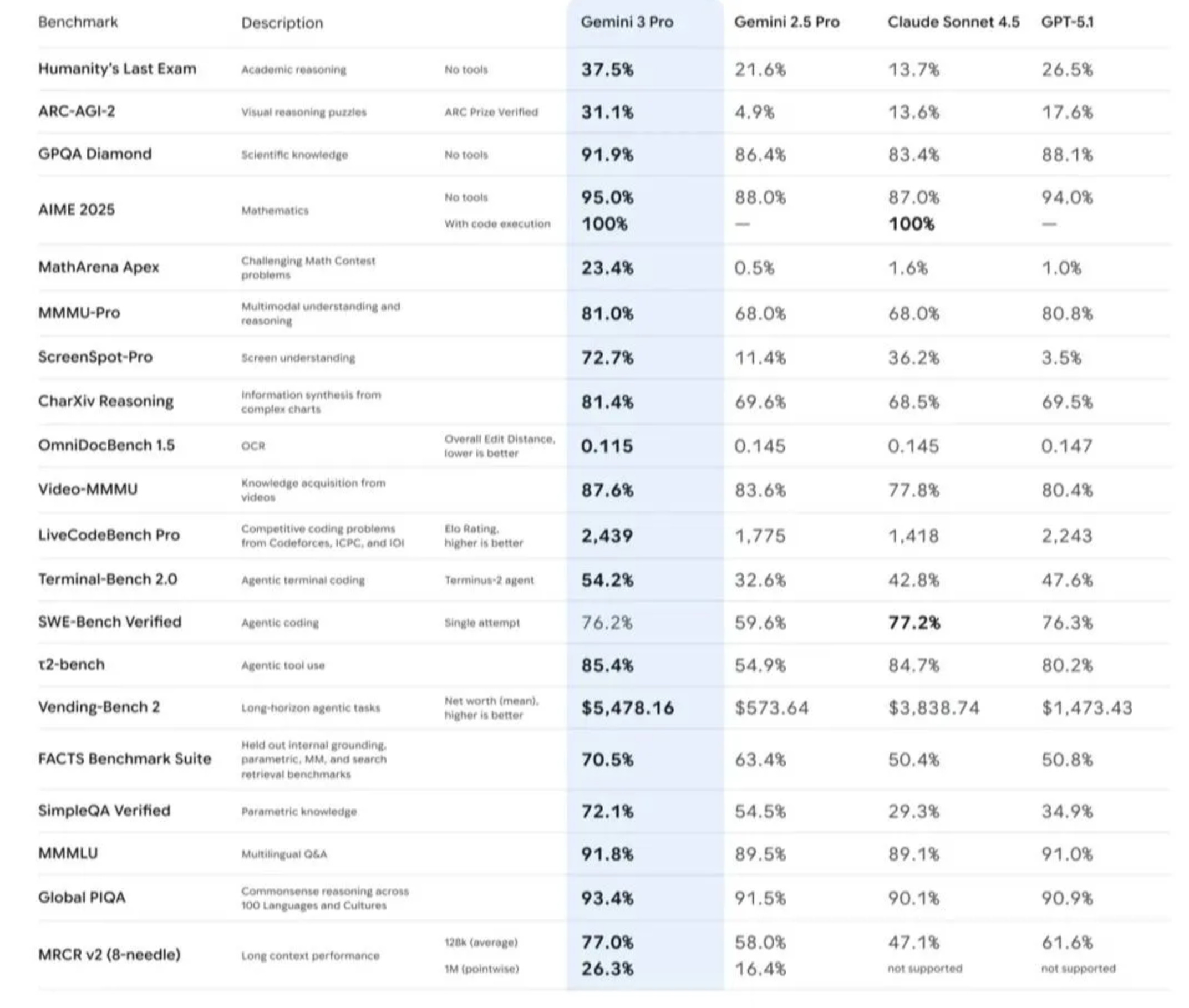
Gemini 3.0 officially launched - Google released Gemini 3 as their most intelligent model with advanced agentic coding capabilities. Includes Google Antigravity, a new agentic development platform competing directly with Cursor. Early testing showed impressive code precision and reasoning improvements. (🙏 Anselme Trochu @ UN, Gabriel Olympie, Gabriel Duciel @ Arcade AI)
👉 Community take: People are cautiously optimistic, with members noting impressive real-world performance improvements, particularly for coding tasks. Early testers reported that Gemini 3 was faster than GPT-5.1, handled longer contexts significantly better, and showed marked improvements in code precision with fewer errors. However, practical concerns emerged around rapid credit consumption and rate limits, with users hitting “generous” limits in under 30 minutes. Antigravity platform intrigued and we will probably have more feedback next week.
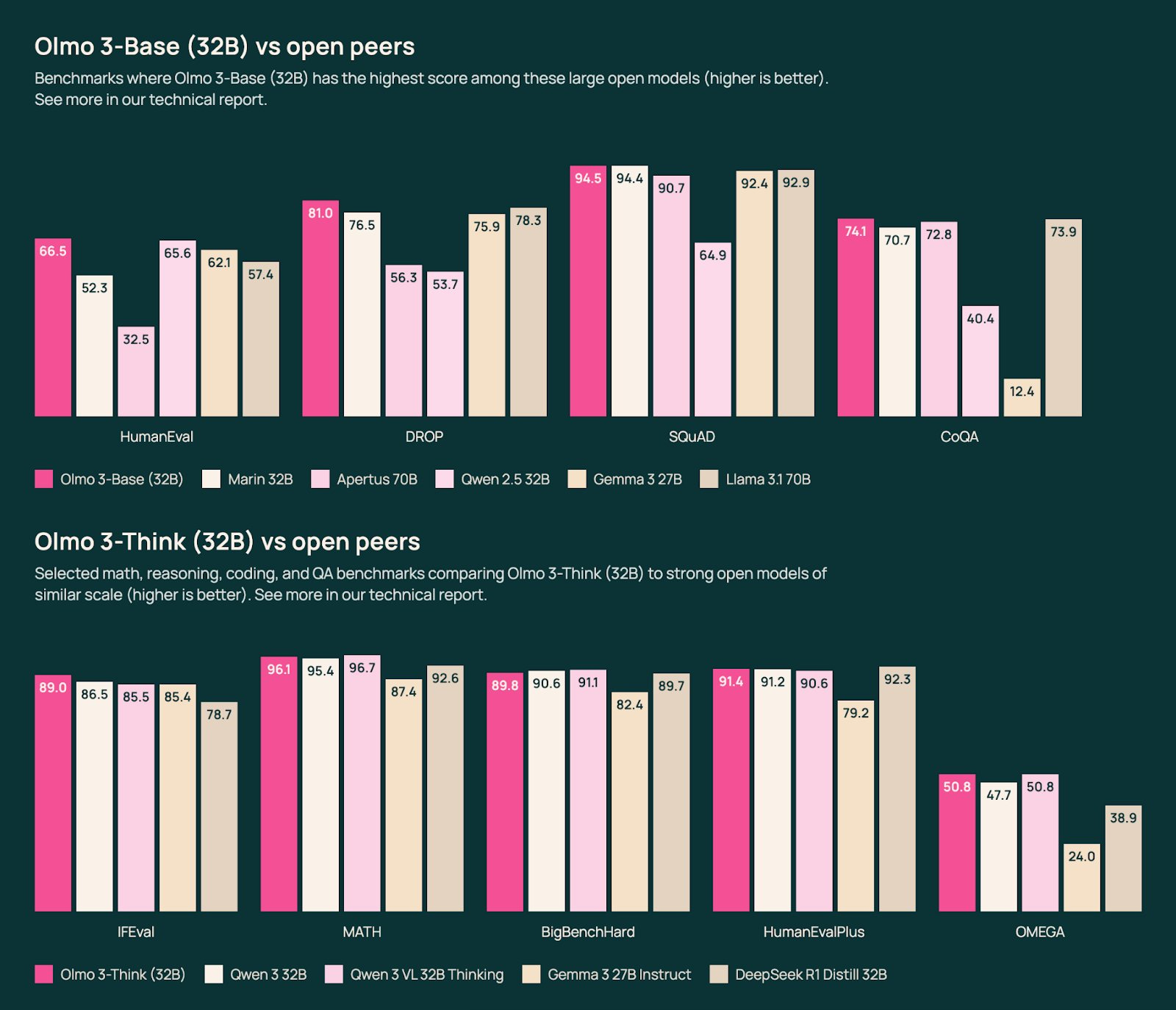
🧠 OLMo 3 family released - AI2 launched OLMo 3, a fully open language model suite built for reasoning, chat, and tool use. Features the best 32B base model and the first 32B fully open reasoning model, representing the best 7B Western thinking and instruct models. (🙏 Kemal Toprak Uçar, Pierre Chapuis @ Finegrain, Christophe Lesur @ Cloud-Temple)
👉 Community take: “It seems quite cool and well-explained! ❤️” said Kemal Toprak Uçar. We’ll see more later!
{ Claude structured outputs launched in beta - Anthropic introduced official strict JSON support for structured outputs, improving upon the existing “tool use” approach. The feature validates JSON results from agent workflows. (🙏 Louis Choquel, Enrico Piovano @ Goji)
👉 Community take: Louis Choquel (Pipelex) has been using Claude 3.5 with structured outputs via tool use and the Instructor package, and the results have already been strong. The new official strict JSON support looks promising and should further improve reliability, especially for tool calls with many or complex arguments.
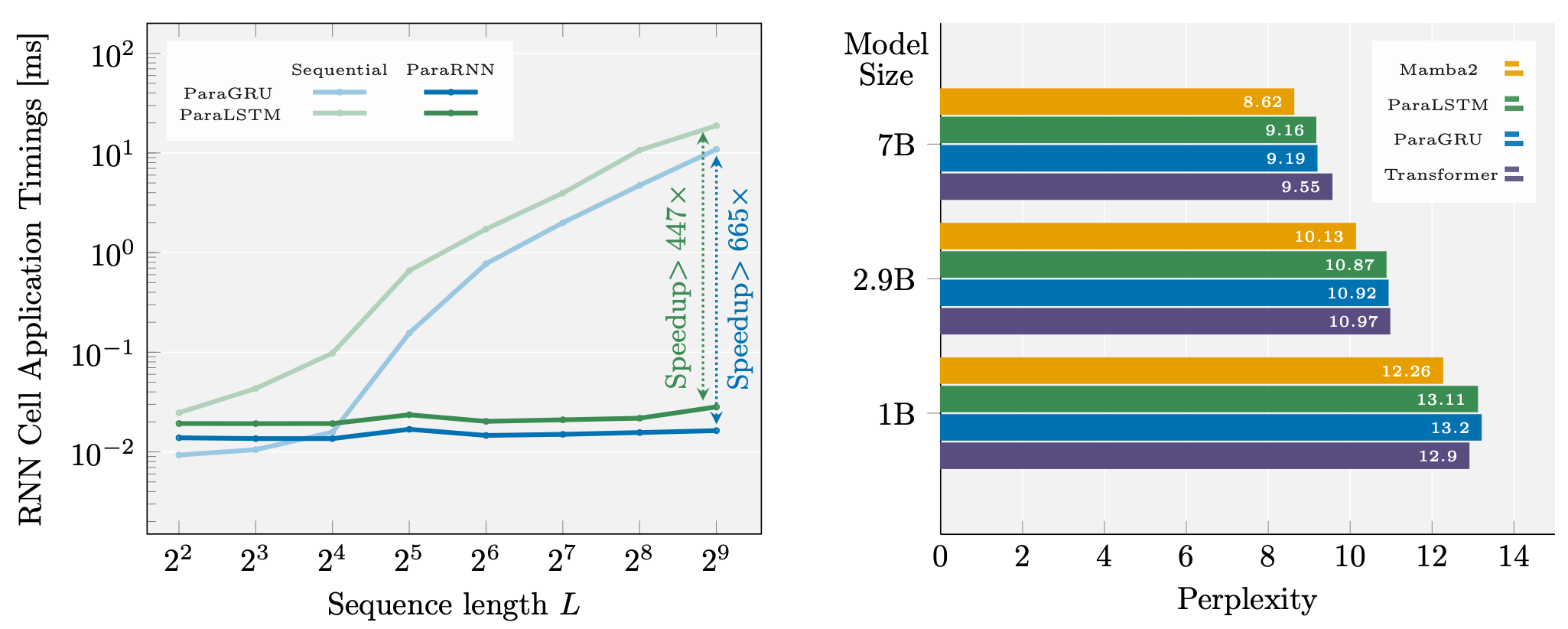
🧠 ParaRNN achieved 665x speedup - Research parallelized RNNs leading to massive performance improvements and trained a 7B parameter language model with similar perplexity to transformers.
👉 Community take: “This is interesting, as it would tend to confirm the hypothesis that Transformers are not necessarily intrinsically better, but simply more amenable to modern GPU-parallel computing.” said Fabien Niel
🛠️ Tweeks Chrome extension showcased - AI-powered Chrome extension that writes code to modify website experiences. Community members planned to use it for Airbnb search improvements. (🙏 Louis Choquel @ Pipelex)
MLOps
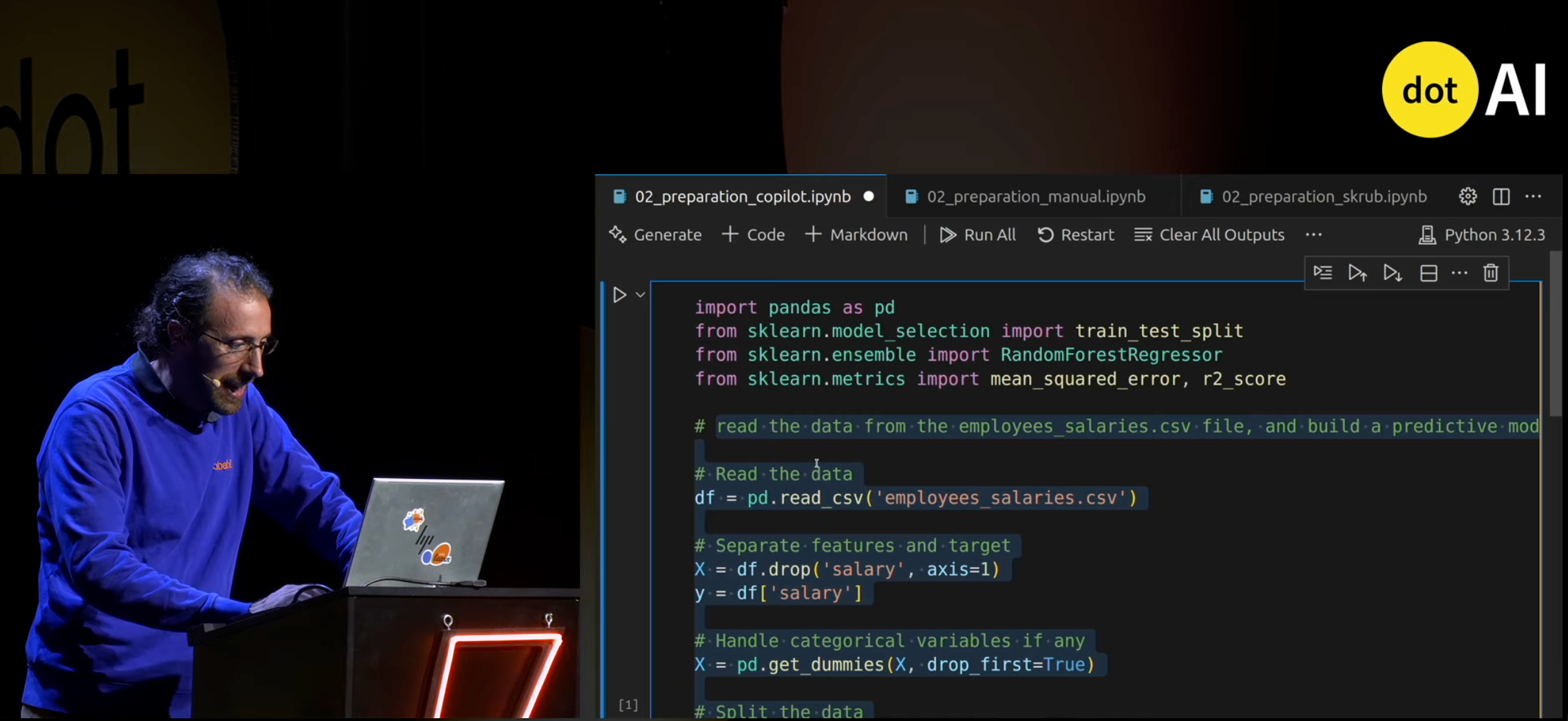
🧰 Clean code in Data Science talk shared - Gael Varoquaux from Scikit-learn, Probabl: presented insights on maintaining clean code practices in data science workflows at dotAI 2025.
Programming
🔥 WebNN positioned as future of browser AI - WebNN lets browsers run AI models locally by using a standard API that selects the best hardware (GPU, NPU, CPU). It removes fragmented support and makes browser AI faster, privacy-friendly, and simpler for developers. The spec is nearly done and works for real AI apps today. (🙏 Pierre Chapuis @ Finegrain)
🧑💻 Gemini 3.0 adopted by coding agents - Amp coding platform switched from Claude to Gemini 3 Pro as their main agent model, marking a historic change since the company’s February founding. The switch indicates Gemini 3’s competitive coding capabilities. (🙏 Anselme Trochu)
Also:
🪐 Google Antigravity demonstrated - Great video of the new agentic development platform from Google.
🧑💻 UnoCSS recommended as Tailwind alternative - Community member suggested UnoCSS as a more flexible alternative to Tailwind CSS for atomic CSS styling.
Robotic
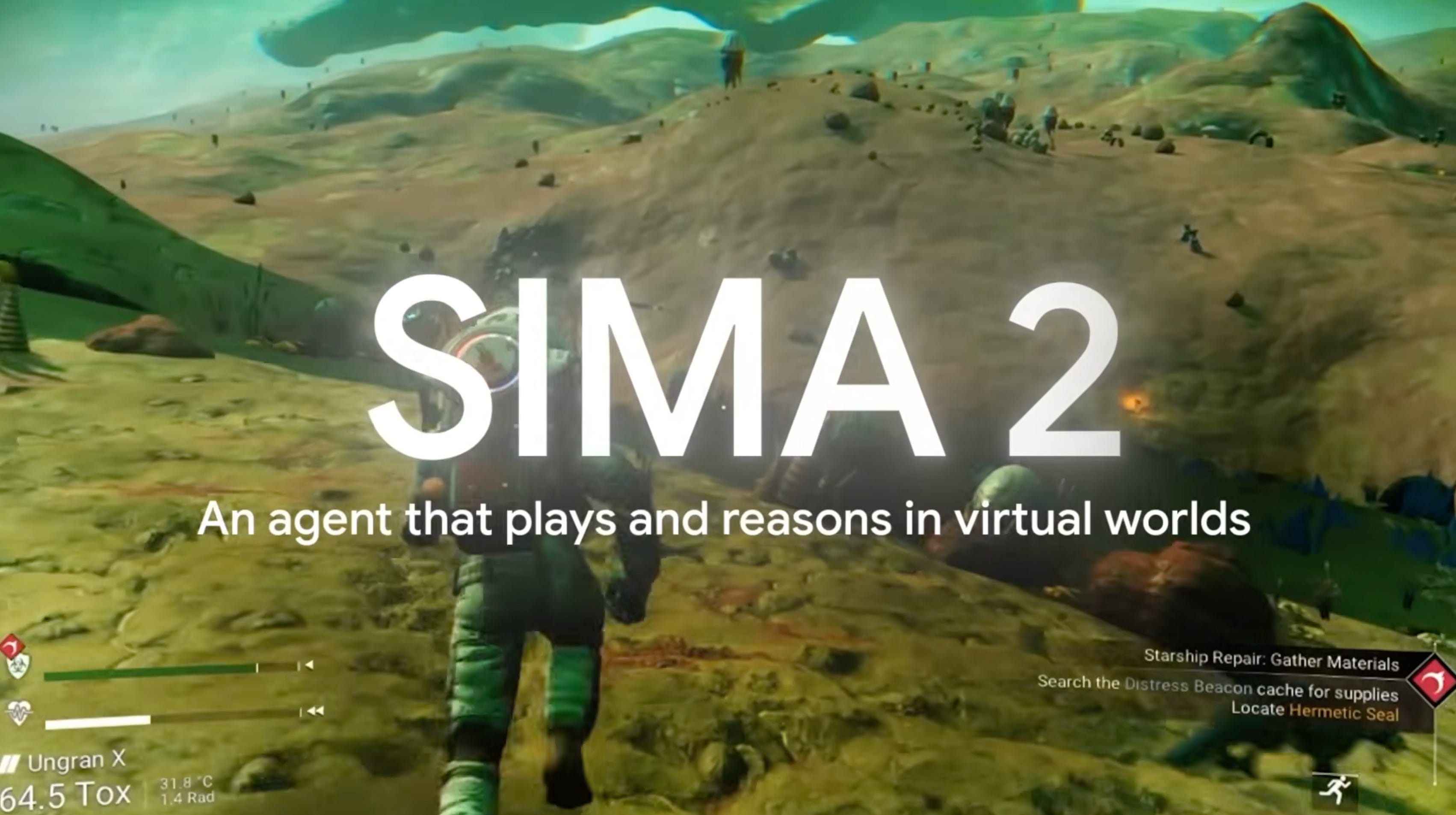
🕹️ Google SIMA 2 introduced - Next major milestone in general and helpful embodied AI agents. Features Gemini integration for advanced reasoning, thinking, learning, and collaboration in complex 3D worlds beyond following basic instructions.
New Members
Bryen Param - AI/ML Engineer exploring the intersection of AI, product thinking, and design. Currently seeking his next move, either joining a team or building something. Enjoys photography, hiking, chasing sunsets, and Japanese city pop. Special power: spotting great sunsets and reorganizing everyone’s plans to catch them on time. 📍Paris, France
Yvann Barbot (TerraLab) - CEO & Co-Founder at TerraLab, building planetary-scale geospatial infrastructure for AI. Creating a digital Earth where AI agents can interact and modify 3D worlds in real-time. Started coding at 42 School and shipped AI projects with 1,200+ total stars on GitHub. Special power: trying random new adventures because they sound fun. 📍Paris, France