
TTY-changelog #046
A lot of new frontier models, Microsoft's AI push, autonomous coding agents, major biotech breakthroughs, and yet another week where Gaussian splatting refuses to slow down.

👉 Article originally posted on TTY
Events
🇳🇱 MEGATHON in Amsterdam (June 19-21) – An AI builder tournament drawing 500-plus builders for one weekend to ship a real project, with free tickets offered for a public pitch video.
Autonomous Agents
🔁 Closed-loop coding agent ships software – From the creator of the Hack language, a Paris team launched a coding agent that turns one prompt into a running, validated service without developer review. A reactive runtime handles state and concurrency, the areas where generated code most often breaks. The team is seeking beta testers.
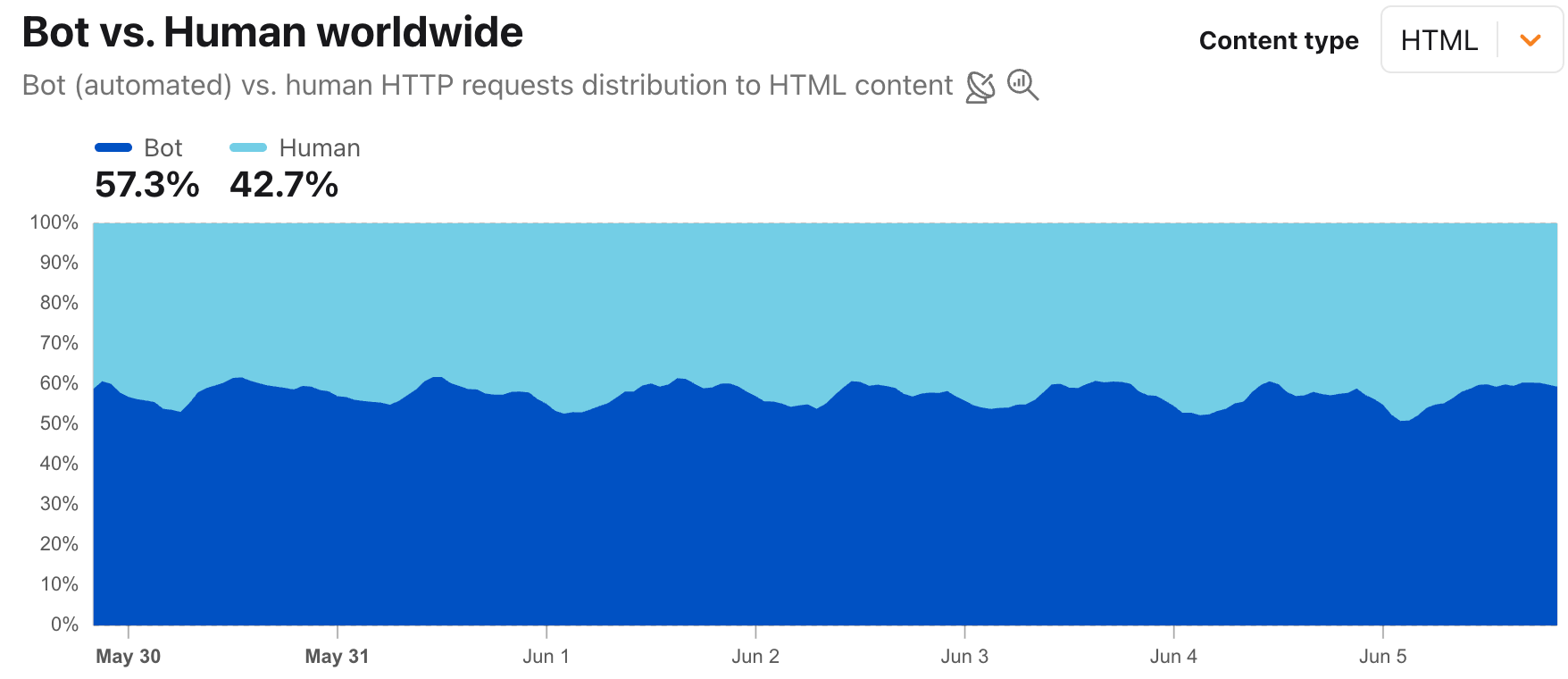
Bots overtook human web traffic – Cloudflare data showed automated bot traffic overtaking human traffic for HTML content worldwide over the past week, at roughly 57 percent bot versus 43 percent human.
🕵️ Leaked Microsoft AI super app – A leaked screenshot showed Microsoft folding its scattered assistant tools into one (unimaginative) redesigned app, including a previously unreported proactive agent positioned as a rival to current autonomous coding agents.
🎛️ The case for MCP staying – A community essay argued that Skills did not kill the Model Context Protocol but clarified its role, with most criticism aimed at misuse rather than the protocol itself. It traced MCP from its 2024 origin to a de facto standard after editor adoption.
🧩 Parallel subagent workflows for Pi – An extension let the Pi agent write a small JavaScript workflow script that spins up many isolated subagents in parallel and synthesizes their results, instead of running everything as one linear assistant call. It suited audits, multi-perspective review, and fan-out research.
Biotech, Health, and Chemistry
🔬 Cell reprogramming targets aging livers – An anti-aging biotech reported a clinic-ready candidate that delivers fewer than ten transcription factors as mRNA in lipid nanoparticles to rejuvenate liver cells. In preclinical models it boosted regenerative capacity and made older animals more resilient. A phase 1 trial is planned next year.
Community take w/ Félix Raimundo: “Their blogs are absolutely amazing. To the best of my knowledge they are the only techbio building publicly.”
🧬 RNA foundation models meet RNAi – An RNAi therapeutics leader and a company building foundation models of biology announced a collaboration to speed nucleic-acid drug design. In joint work the model reportedly drew useful biological insight from relatively small datasets to characterize the molecules behind RNAi medicines.
Community take w/ Félix Raimundo: “Nothing is published. Last they communicated, they were doing mRNA work, and they apparently admitted an undisclosed program with Sanofi.”
💊 Pfizer licensed AI antibody platform – A drug-discovery company licensed its generative AI platform to Pfizer, giving early access to its most advanced model plus a custom model tuned on Pfizer data. The model reportedly doubled the antibody design success rate of its predecessor while meeting therapeutic standards.
🧠 China approved invasive brain implant – China approved the first invasive brain-computer interface product cleared for use beyond clinical trials, a coin-sized device placed on the brain’s outer membrane. One paralyzed patient regained limited hand control through months of training with a robotic glove.
🩺 Plasma signature predicts lung cancer – Researchers used machine learning to find a 14-protein plasma signature that predicts lung cancer more than five years before diagnosis, validated across eight cohorts. The signature rose with smoking and particulate exposure and helped identify who benefited from anti-inflammatory prevention.
Community take w/ Ihab Bendidi: “A 14-protein blood test spotting lung cancer risk five-plus years early, and it tells you who would actually benefit from anti-IL-1β prevention.”
⚖️ Case against biotech protectionism – An analysis argued that walling off Chinese biotech would backfire by routing China-invented medicines through Europe, leaving the US indirectly dependent while shifting profits abroad. It distinguished drug innovation supply chains from physical ones like chips and batteries.
Community take w/ Félix Raimundo: “There is a reason RAC literally wrote the textbook on biotech investing. This piece is super enlightening.”
Image, Video and 3D
🎬 AI is an opportunity for film – A TTY essay argued AI will not reduce the need for great filmmakers but raise the bar, as the best studios reinvest the savings into more ambitious work. It surveyed fast-moving video and world models, Gaussian splatting, and improved decoding as the tools reshaping cinema.
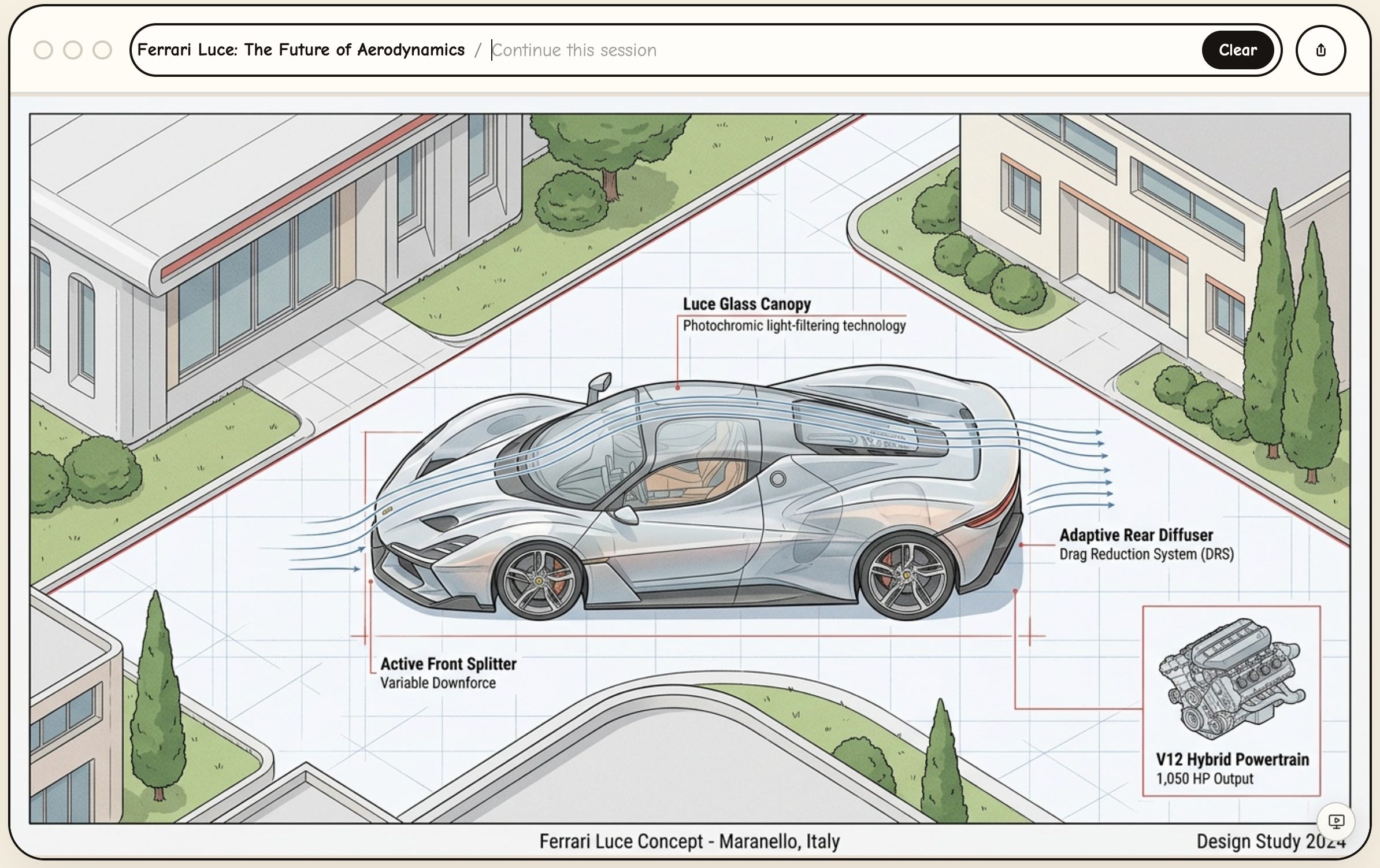
🖼️ Infinite generative visual browser – An experimental browser generated every page as an image on demand, where clicking anything produced a new image exploring it further. All text was rendered as pixels by the image model, with information drawn from agentic web search and the model’s own knowledge.
🎨 Ideogram 4 open weight model – Ideogram released a 4.0 image model with non-commercial open weights, emphasizing prompt fidelity, clearer text rendering, native transparency, and reliable post-generation editing. It shipped across an API, an MCP agent surface, and an app.
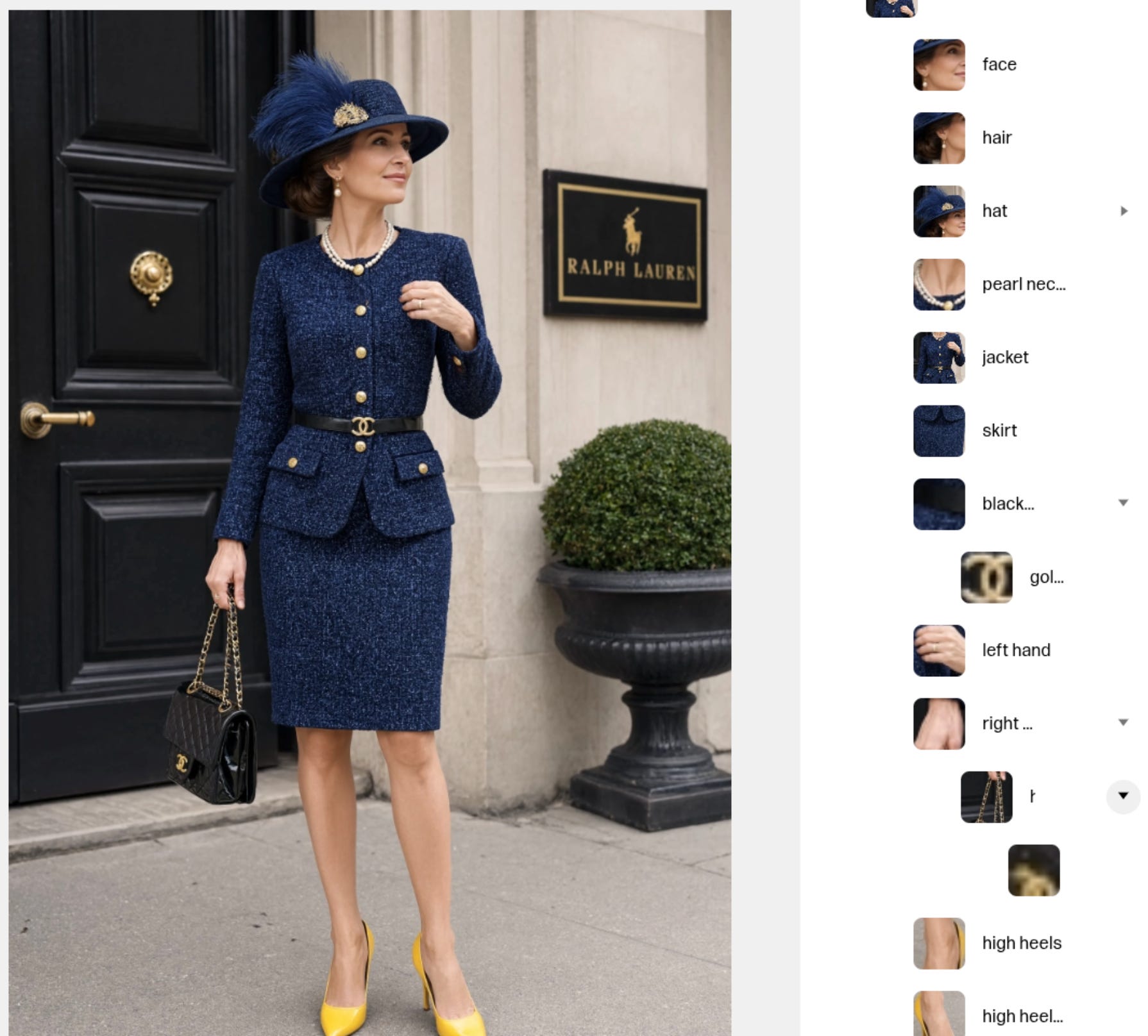
🖌️ Reve 2.0 part-based editing – One of two big image models that dropped this week, Reve decomposed a generated image into separate parts that can be tweaked, moved, and re-prompted individually. It ran slowly but offered a free plan to try the part-based editing flow.
Community take w/ Pierre Chapuis: “Reve is impressive in a different way. It is extremely slow, but it decomposes the image into parts that you can then edit individually.”
🕸️ Mesh splatting earns CVPR oral – A method combining Gaussian splatting with mesh output received an oral at CVPR 2026, producing meshes that drop directly into a game engine. Reported gains included roughly half the memory and training time of a prior approach with a small quality improvement.
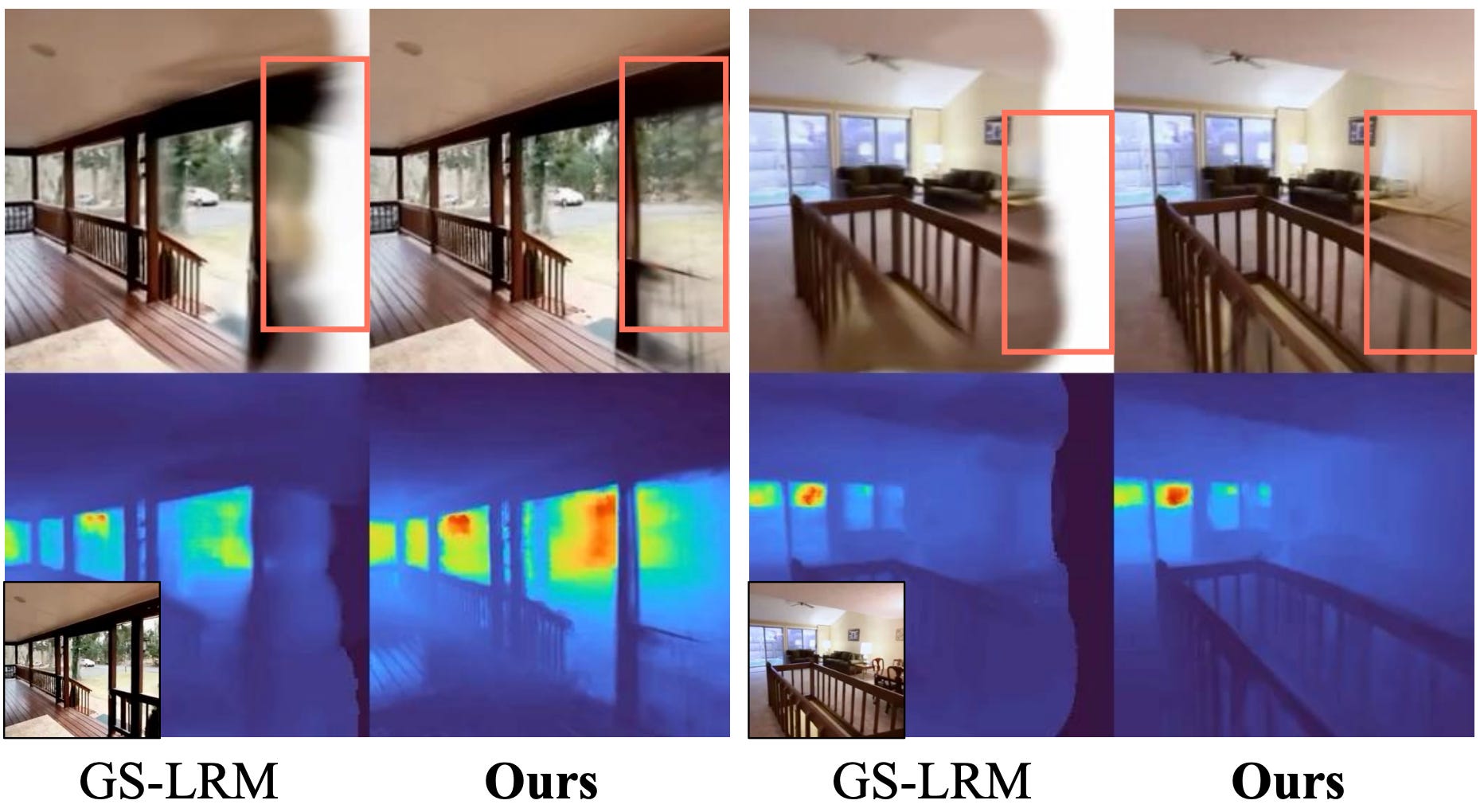
📐 Rethinking feed-forward Gaussian splatting – A paper argued that regressing Gaussian means as depths along camera rays was suboptimal and instead regressed 3D coordinates directly with a self-supervised rendering loss. The encoder-decoder design with learnable tokens decoupled primitive count from input resolution and view count.
🟢 WebGPU renderer speeds up splats – A Gaussian splatting platform shipped a compute-based WebGPU renderer that offloaded culling, projection, and sorting to GPU shaders, reaching several times the frame rate of the prior WebGL path on large scenes. Automatic streaming brought near-instant load times.
🎙️ Inside building Grok Imagine fast – A Latent Space podcast episode unpacked building a frontier image and video system in three months, covering the split between video generation and world models and the rise of video agents. It dug into data, VAEs, diffusion transformers, audio-video alignment, and inference speedups.
Cyber
🛡️ Coding agents hit by injection – A reported attack tricked coding agents into installing a compromised package by sending a fake bug alert to a project, which then tried to exfiltrate machine secrets to an external server. It underscored treating external signals as untrusted data, not instructions.
Infrastructure
🐘 Multigress scalable Postgres project – A newly announced project by Supabase aimed to scale Postgres horizontally while staying true to standard Postgres, supporting multi-tenant, highly available, and globally distributed deployments. It positioned itself as infrastructure for teams outgrowing single-node databases.
Language Models
⚡ MiniMax M3 open weights – MiniMax released an open-weight model pairing frontier coding and agentic skill with a 1M token sparse-attention context and native multimodality. Reported demos included a 12-hour autonomous paper replication and a CUDA kernel optimization reaching a 9.4x speedup over many tool-call iterations. Open-weights allegedly available soon.
Community take w/ Kemal Toprak Uçar: “A new model just arrived and it outperforms all the open models I can see, though they did not put any other open-weight ones on their benchmarks.”
💻 Gemma 4 12B runs locally – Google released a 12B open model that runs on a laptop with 16GB of memory and introduces native audio inputs. An encoder-free design feeds vision and audio straight into the language backbone, with reasoning approaching the larger 26B mixture-of-experts model.
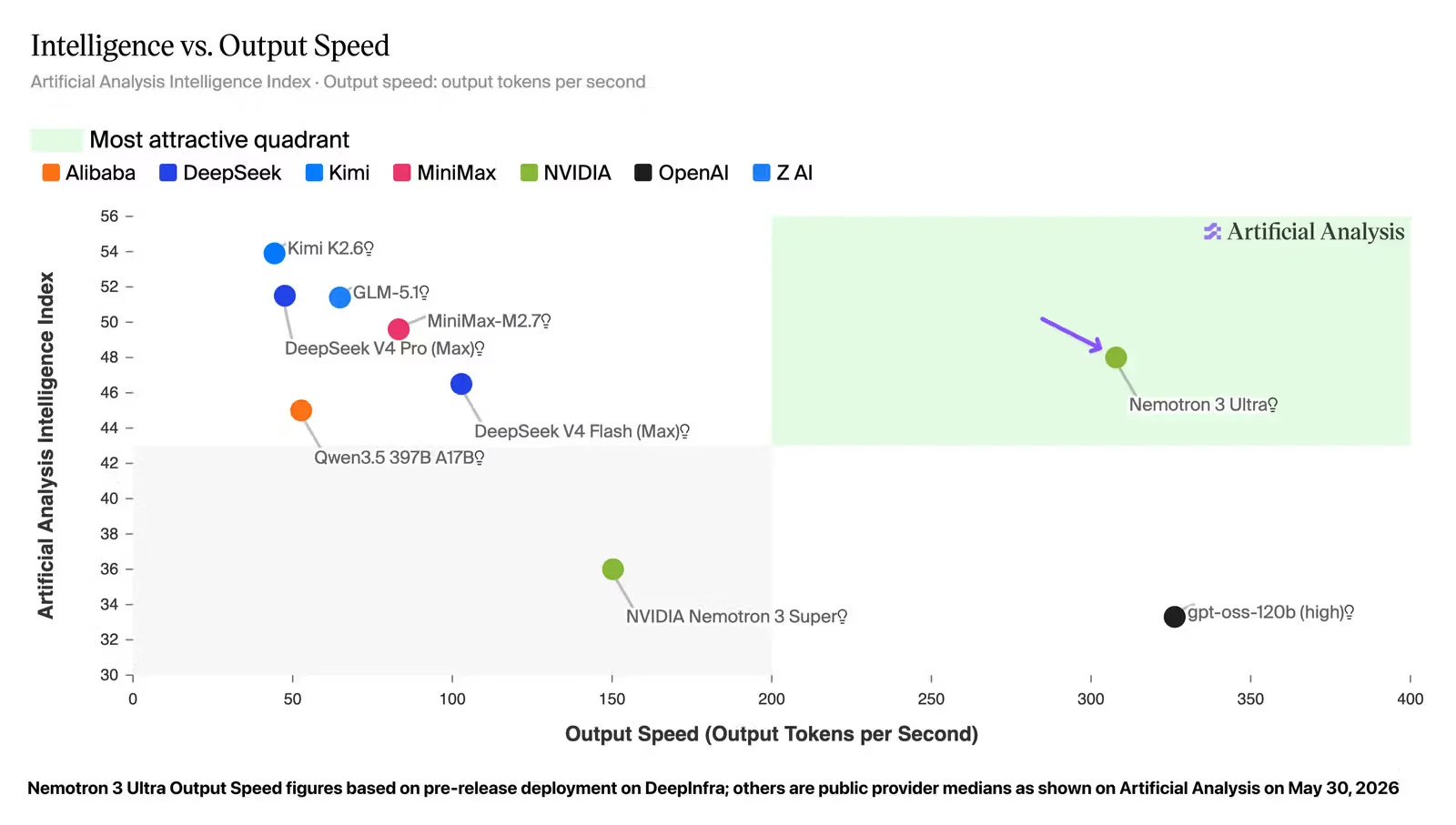
🧮 Nemotron 3 Ultra open release – NVIDIA opened a 550B parameter frontier model with 55B active, interleaving Mamba-2, mixture-of-experts, and attention layers plus multi-token prediction. It supports up to 1M token context and ships with open weights, training data, and recipes.
The hybrid architecture targets long-context analysis, agentic workflows, and high-stakes retrieval.
An NVFP4 pre-training recipe was used to cut compute cost during training.
Minimum hardware spans 8 GB200-class GPUs or 16 H100s, with smaller NVFP4 builds available.
🏗️ Microsoft launched seven Build models – Microsoft unveiled a family of seven models built from scratch on a clean data lineage, spanning reasoning, code, image, transcription, and voice, all designed to work together as a coordinated set. Model performance comparison table showing side-by-side results versus Sonnet 4.6 and Opus 4.6 (instead of the last versions).
🔮 Qwen 3.7 Plus multimodal release – Qwen published a multimodal version in its 3.7 line, positioned around broad intelligence across modalities. Detail beyond the announcement was limited at posting time.
MLOps
✂️ Headroom lossless token compression keeps growing – The open tool compressed tool by Tejas Chopra outputs, logs, files, and retrieval chunks before they reached the model, claiming 60 to 95 percent fewer tokens with the same answers, as a library, proxy, or MCP server. It became the top trending GitHub repo, jumping from 2,000 to over 12,000 stars in three days.
🧪 Local app benchmarks LLMs – A local-first desktop app ran practical benchmark packs against local or remote models, comparing them side by side on tool calls, bug fixing, extraction, structured output, and agent workflows. It shipped for macOS, Windows, and Linux.
Programming
🔍 Alibaba open-sourced code review – Alibaba released an AI code review CLI used internally at scale, combining deterministic pipelines with an LLM agent for precise line-level comments. A tuned ruleset flagged issues like null pointers, thread safety, and injection, and the agent could read full files and search the codebase.
🚀 Grok Build coding model on API – xAI opened a coding model tuned for agentic tasks like web development, debugging, and tool use through its API in public beta. It served at over 100 tokens per second, powered the Grok Build CLI, and worked across popular agent harnesses and gateways.
Robotic, World AI
🌐 Cosmos 3 unifies physical AI – NVIDIA released an open omni-model combining world generation, physical reasoning, and action generation in one architecture, replacing separate models for generation, understanding, and policy. It topped multiple open leaderboards across world reasoning, generation, and action.
A dual-tower mixture-of-transformers pairs an autoregressive reasoning stream with a diffusion generation stream.
Action was treated as a first-class modality alongside language, image, video, and audio.
The release shipped Super and Nano sizes, diffusers integration, post-training scripts, and synthetic datasets.
🚗 OmniDreams: real-time world model for driving – NVIDIA introduced a generative world model that autoregressively produced action-conditioned driving video in real time for closed-loop simulation. Trained on 21,000 hours of driving, it synthesized rare events like extreme weather and unpredictable agents that fixed simulators struggle to capture.
It conditioned each frame on past frames, the current simulator state, and immediate driving actions.
A policy post-trained from it beat a larger research policy while using a fifth of the parameters.
It ran inside a closed-loop stack with a separate policy model and orchestrator.
🎞️ FlashDreams: infra for world models – NVIDIA detailed a high-performance inference and serving library for interactive autoregressive video and world models. It packaged the persistent streaming loop into reusable pipelines and runners spanning driving simulation, robotics, games, and creative tools.
Other topics
💭 ChatGPT memory learns continuously – OpenAI began rolling out a memory system that synthesizes context in the background from many conversations rather than only saved notes. The approach, called dreaming, aimed to keep stored context fresh, correct, and relevant across long time horizons.
🖥️ Microsoft unveiled agent device OS – Microsoft announced an operating system for gadgets that run AI agents at its developer conference, shown on two concept devices: a desk unit that unlocks by face and a wearable badge.
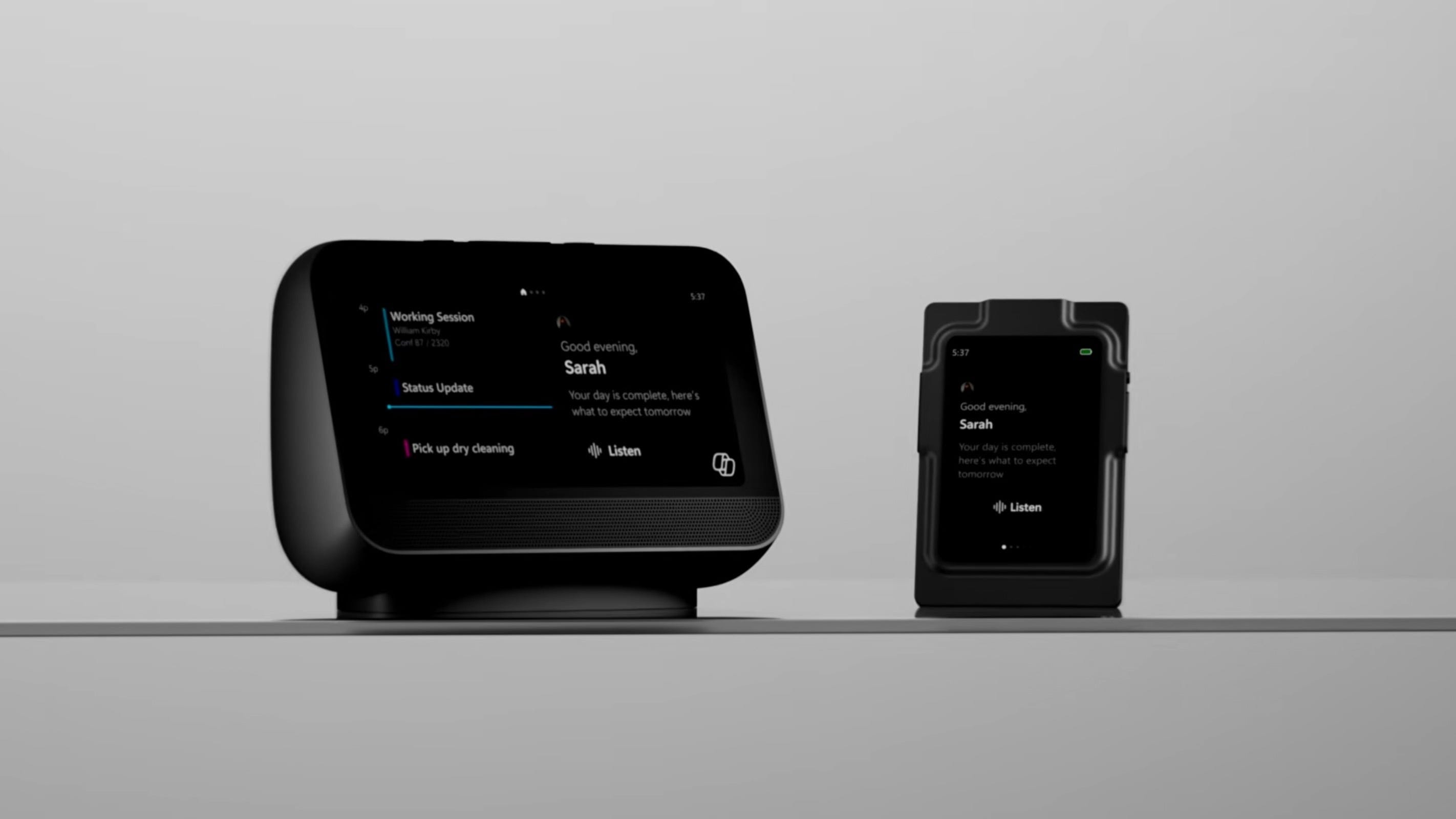
Community take w/ Kevin Kuipers: “It is crazy that AI brought so much innovation, yet nobody has figured out how to make original hardware with it (including this one).”
⏸️ Anthropic urged global AI pause – Anthropic reportedly called for a global pause in AI development, flagging self-improvement risk. The framing drew skepticism in the community as pre-IPO positioning.
Community take: Members read the call as pre-IPO positioning, with one noting that communication will stay challenging after an IPO too.
TTY Lunch
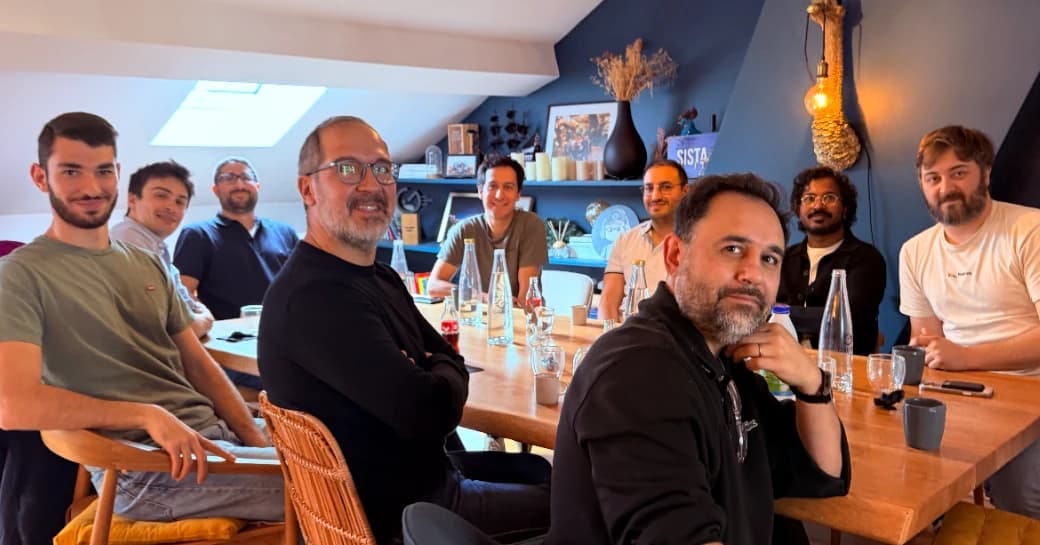
Each week, TTY Lunch brings together exceptional builders around the table. Today’s lineup included Amine Saboni (Pruna AI), Aram Adamyan, Bryen Param, David Martins Gonçalves (Notify), Isaac Partouche (Stage11), Hani Chalouati (Guepard), Matthieu Terris (Blur Labs), Olivier Desclaux (Harmattan AI), and Stan Girard (The Vibe Company).
Topics included, in no particular order: visual context windows in vision models, vehicle tracking accuracy using SLAM, the future of cheaper and smaller world models, AI pricing and energy consumption, the real cost-effectiveness of LLMs in applications, evaluating pruned and quantized models, the subjectivity of image quality evaluation, the challenges of model upgrades and consistency in production, LLM interpretability, predictability and replicability, knowledge transfer between models, the evolution from md files to deterministic application logic, the future of open-weight models, and the viability of open source software.
As always, thank you so much for joining and these wonderful conversations!
Contributors This Week
Kevin Kuipers, Félix Raimundo, Pierre Chapuis, Lior Oren, Khalil Ouardini, Jeremie Kalfon, Quentin Dubois, Tejas Chopra, Ashley van Heteren, Kemal Toprak Uçar, Dario Di Carlo, Harsimrat Singh Sandhawalia, Hugo Venturini, Isaac Partouche, Marie Thuret, Olivier de la Clergerie, Pierre Manceron, Amine Saboni, Guillaume de Luca, Ihab Bendidi, Julien Kilo, Julien Mangeard, Julien Seveno-Piltant, Koutheir Cherni KC, Louis Manhes, Nancy Wang, Raymond Rutjes